Anyone looking for a home on Spain's south-east coast sooner or later runs into three names: Costa Blanca, Costa Cálida and Costa Almería. They border one another, they share the same climate, and in photographs they look suspiciously alike. Yet you are buying in three different regions, with three different tax regimes and three very different price levels.
As a buyer's agent we have no properties of our own to sell. That makes this comparison easier for us than for a sales office with listings in two of the three regions: we have no stake in which coast you choose. So here are the numbers, including the drawbacks.
The three coasts in brief
The Costa Blanca runs from Denia in the north down to Pilar de la Horadada, within the province of Alicante in the Valencian Community. Immediately below it the Costa Cálida begins, running through the Region of Murcia past Águilas. Further south again lies the Costa Almería, in Andalusia, with towns such as Vera, Mojácar and San Juan de los Terreros.
Torrevieja to Los Alcázares is a forty-five minute drive. Los Alcázares to Mojácar is roughly two hours. So these are not far-flung destinations — but administratively they are three different worlds.
Where the difference lies
Three regions, three sets of rules
Tax: the difference nobody mentions
Every autonomous region in Spain sets its own transfer tax. On a resale property you pay ITP (Impuesto sobre Transmisiones Patrimoniales), and that rate differs from coast to coast.
| Region | ITP on resale | New-build | ITP on €250,000 |
|---|---|---|---|
| Costa BlancaComunidad Valenciana | 9% | 10% VAT + 1.4% AJD | €22,500 |
| Costa CálidaRegión de Murcia | 7.75% | 10% VAT + 1.5% AJD | €19,375 |
| Costa AlmeríaAndalucía | 7% | 10% VAT + 1.2% AJD | €17,500 |
On €250,000, choosing the Costa Blanca over the Costa Almería costs five thousand euros in tax alone.
Two things have changed recently and are still wrong in many older articles. Murcia cut its general ITP rate from 8% to 7.75% on 25 July 2025. And the Valencian Community went from 10% to 9% on 1 June 2026, narrowing a gap with Murcia that had been much wider for years. Above one million euros the Valencian Community still charges 11%.
All three regions offer reduced rates for young buyers and large families, but these almost always apply only to a main residence and up to a capped value. For most foreign buyers, the general rate is the rate.
Buying new-build removes ITP altogether: you pay 10% VAT plus regional stamp duty (AJD) instead. Transfer tax is also far from the only extra cost — notary, land registry, gestoría and legal fees come on top. We set out the full calculation in what buying a house in Spain really costs.
What does €250,000 buy you?
Tax is one thing; value for money is another. Broadly, it looks like this.
Costa Blanca
At this budget you will usually be looking at an apartment or a townhouse on a resort, close to shops, restaurants and the beach. Plots are small and the pool is often communal. What you get in return is amenities and letting potential. See buying property in Torrevieja, buying property in La Zenia and buying property in Guardamar del Segura for what that means town by town.
Costa Cálida
The same money more often buys a larger home or a villa just behind the coastline, with outdoor space of your own. Around the Mar Menor and on the golf resorts there is a good deal of new-build in this bracket. See buying property in San Pedro del Pinatar, buying property in Los Alcázares and buying property in La Manga.
Costa Almería
The least developed of the three, and the cheapest. Detached homes with a private pool and a sea view are realistic here at this budget. The supply is smaller, the infrastructure thinner and the international community limited. What the area does offer is set out in attractions on the Costa Almería.
Getting there
This is where the Costa Blanca wins outright. Alicante-Elche has year-round direct flights from across the UK, Ireland and the Low Countries. From the terminal you are in Torrevieja within forty-five minutes.
The Costa Cálida has Murcia-Corvera, a small and comfortable airport around half an hour from the Mar Menor, but with noticeably fewer connections. In practice most buyers in Murcia simply fly into Alicante and drive the last hour.
The Costa Almería is the awkward one. Almería airport has few direct services, and from Alicante it is a drive of well over two hours. If you spend a long season there twice a year you will barely notice; if you want to come and go every six weeks, you will.
Driving down, factor in the toll on the AP-7 between Alicante and the Costa Cálida — how to avoid it legally and cheaply is covered in our guide to the AP-7 toll.

Atmosphere and daily life
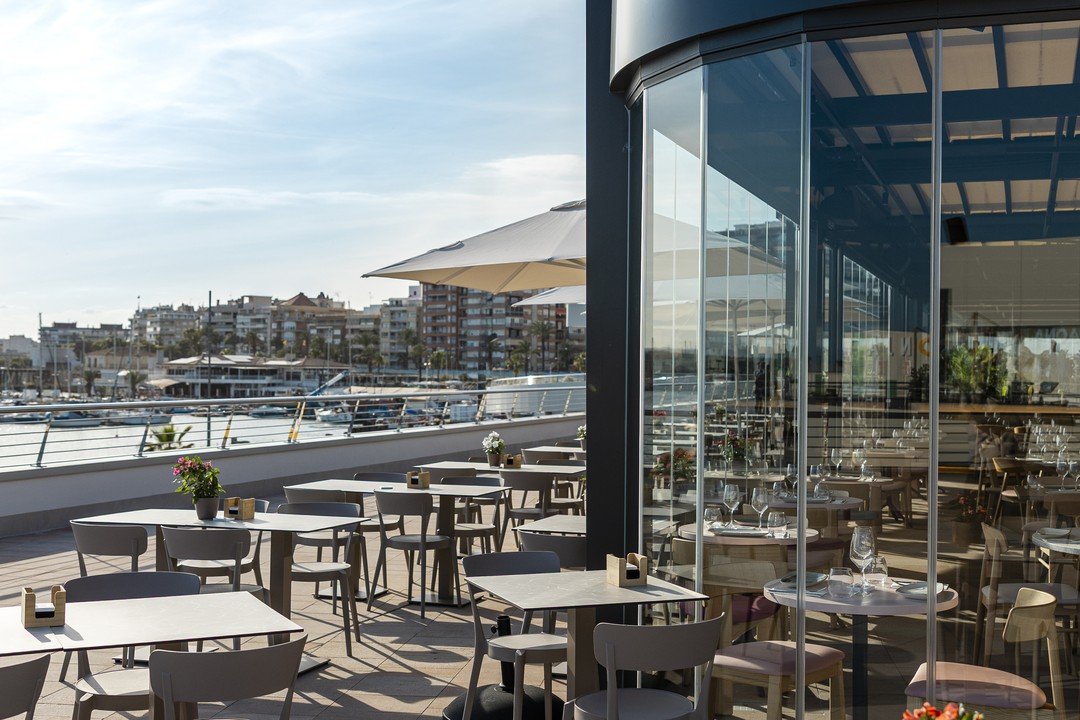
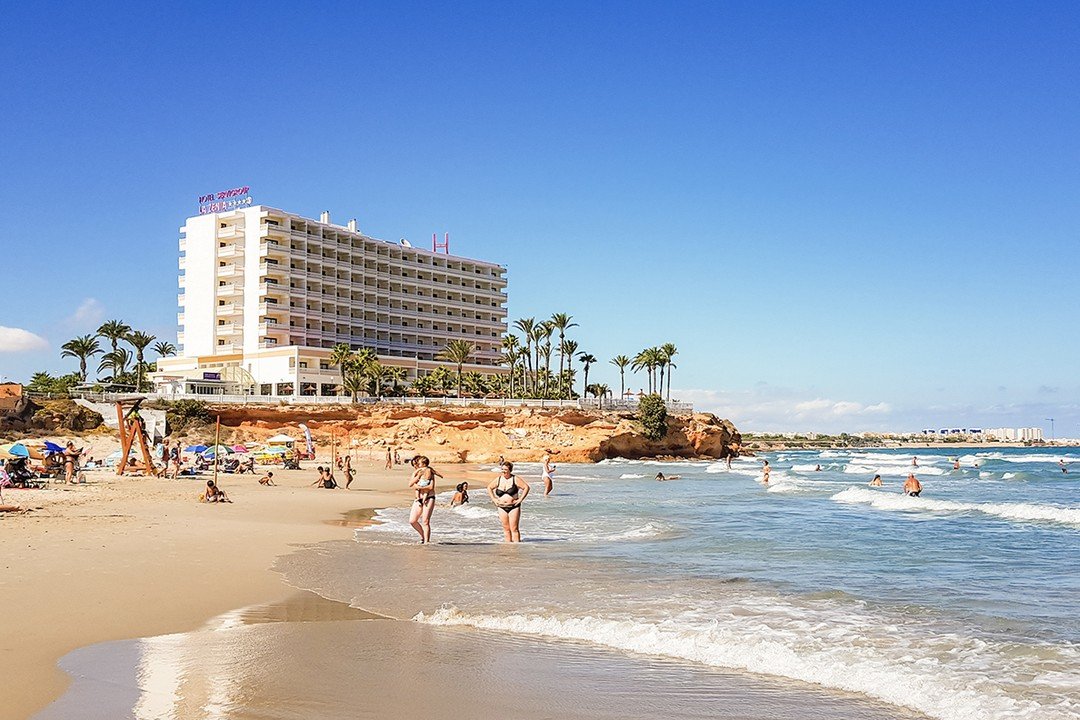
The Costa Blanca is international, busy and thoroughly geared to the foreign resident. English will get you everywhere, there are international schools and hospitals, and the shopping centres are on a northern European scale — see our guide to the best shopping centres on the Costa Blanca and Costa Cálida. The flip side is that in parts of the southern Costa Blanca you will hear very little Spanish.
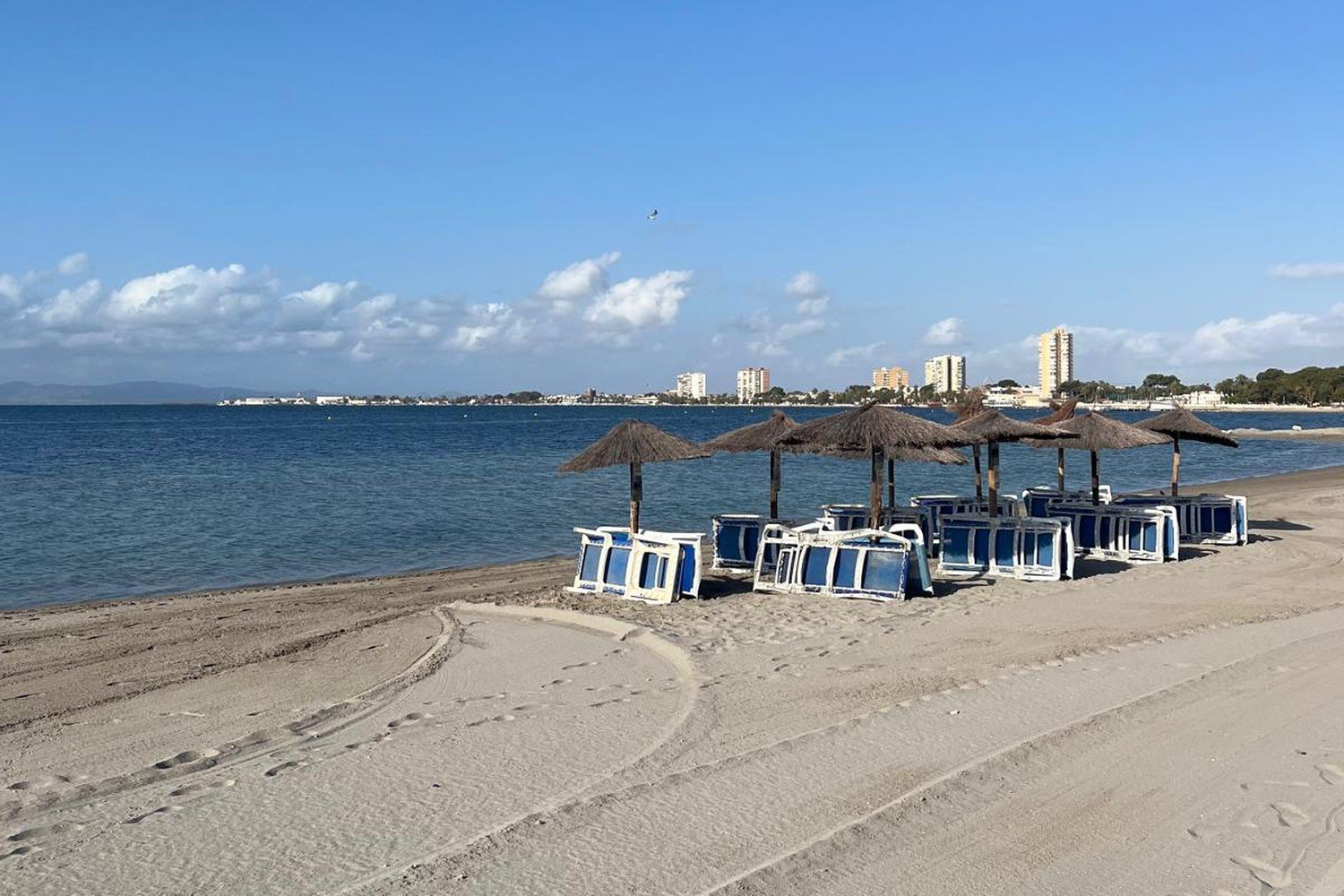
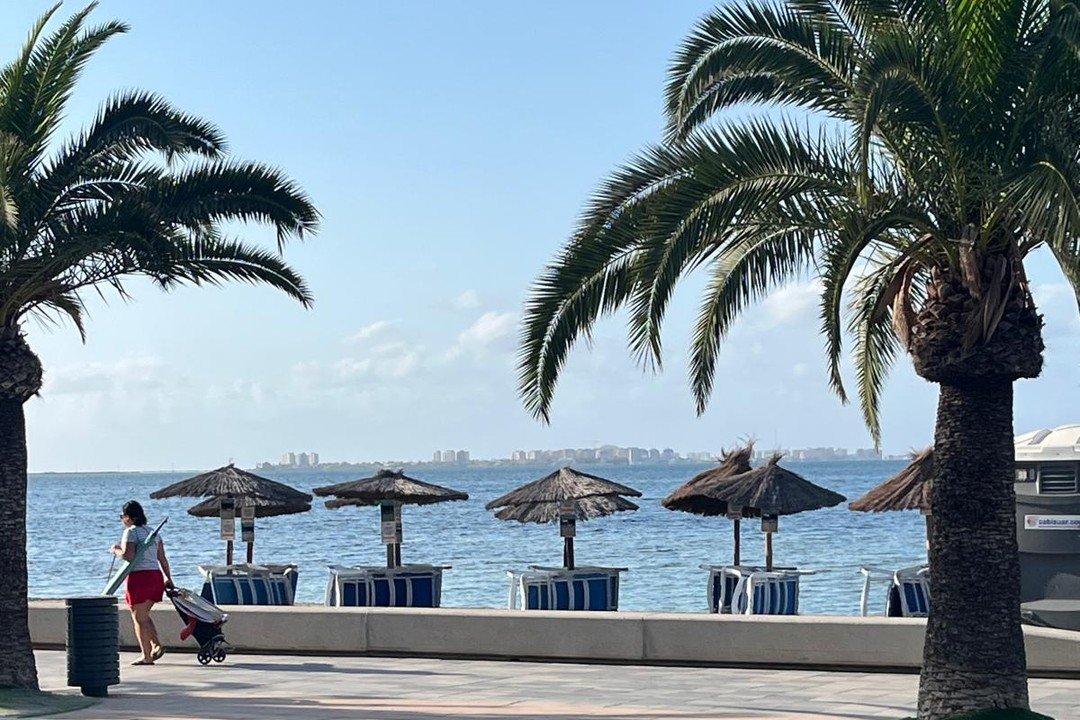
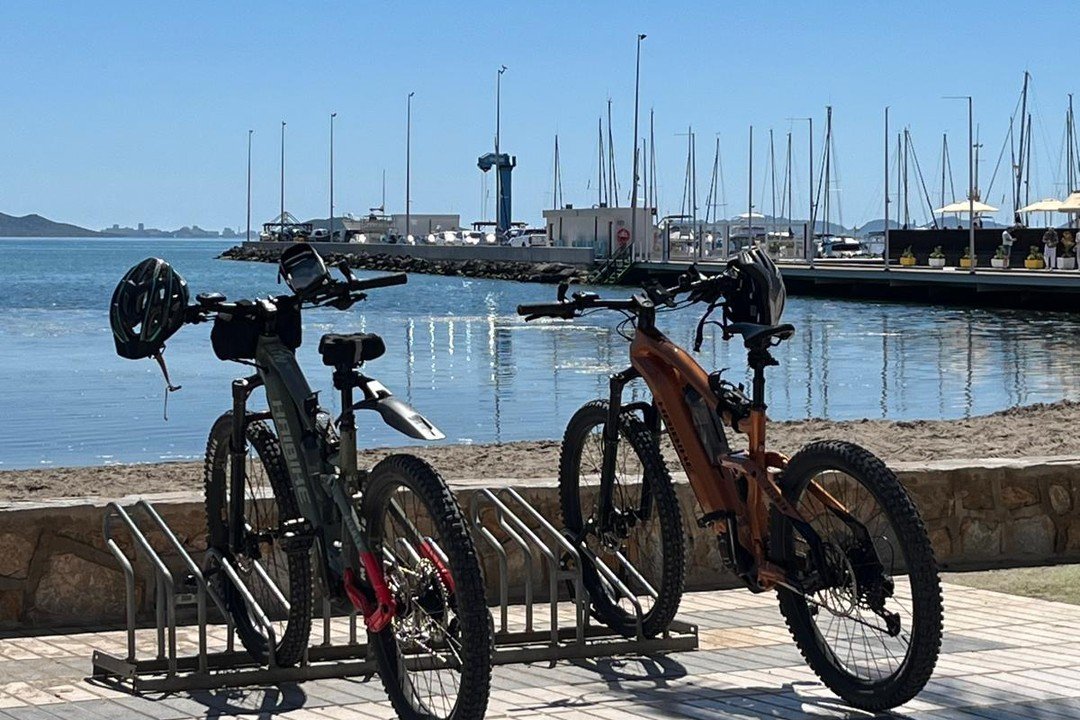
The Costa Cálida is quieter and more Spanish. Towns such as San Pedro del Pinatar and Santiago de la Ribera are lived in year-round by Spaniards themselves, which means the bakery is open in January too. There is plenty to do — the mud baths at Lo Pagán, the salt flats of San Pedro, golf — but the pace is slower.
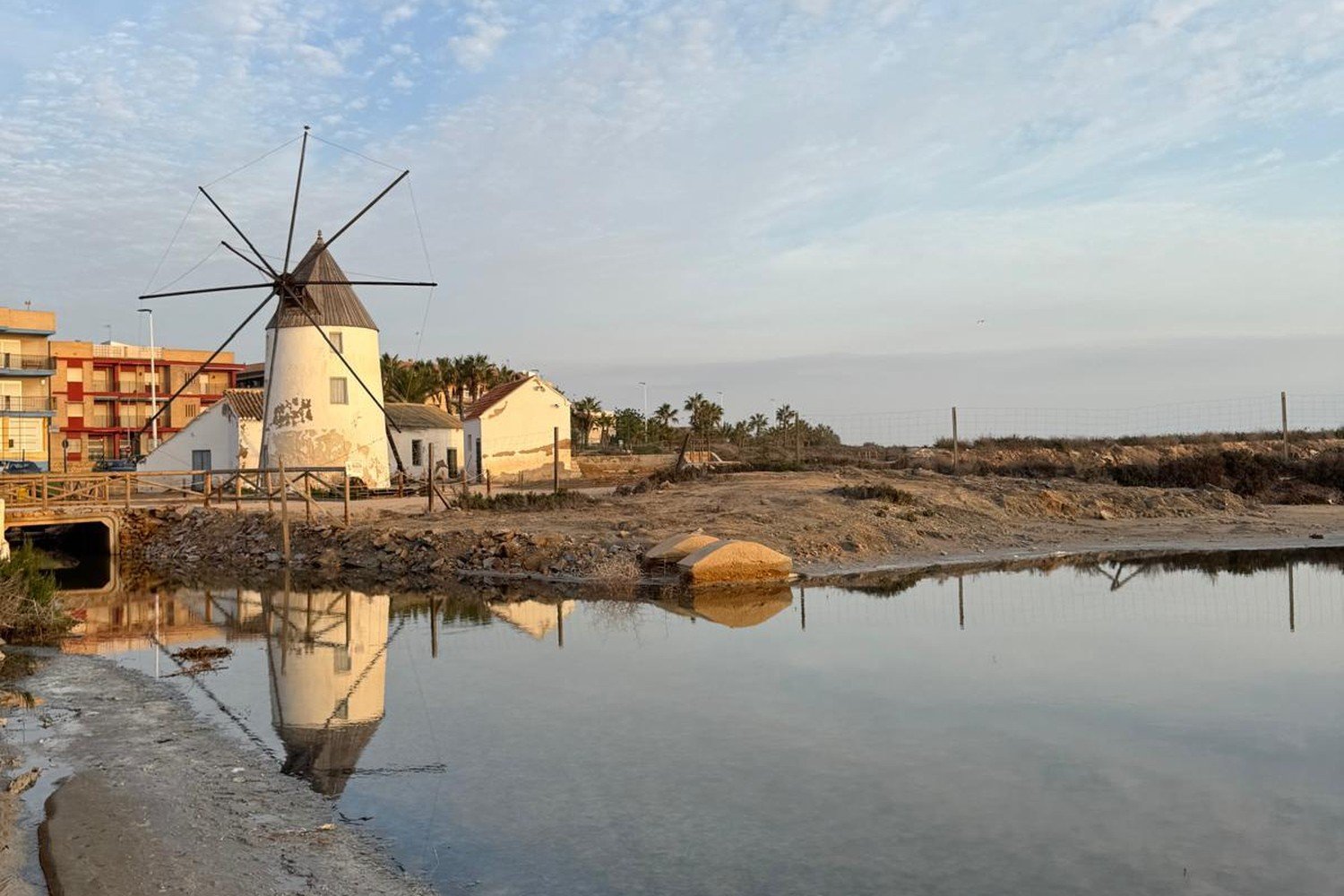
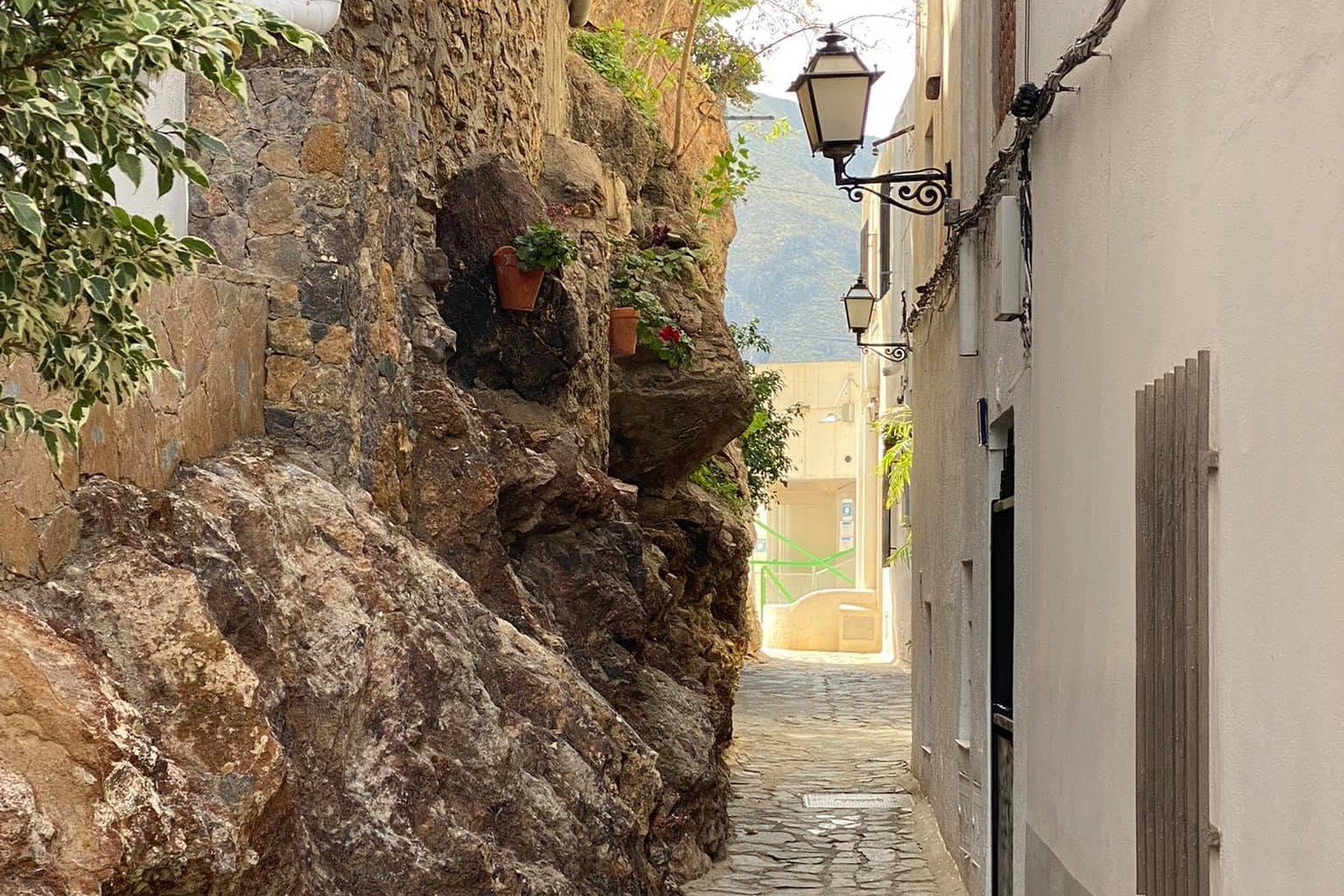
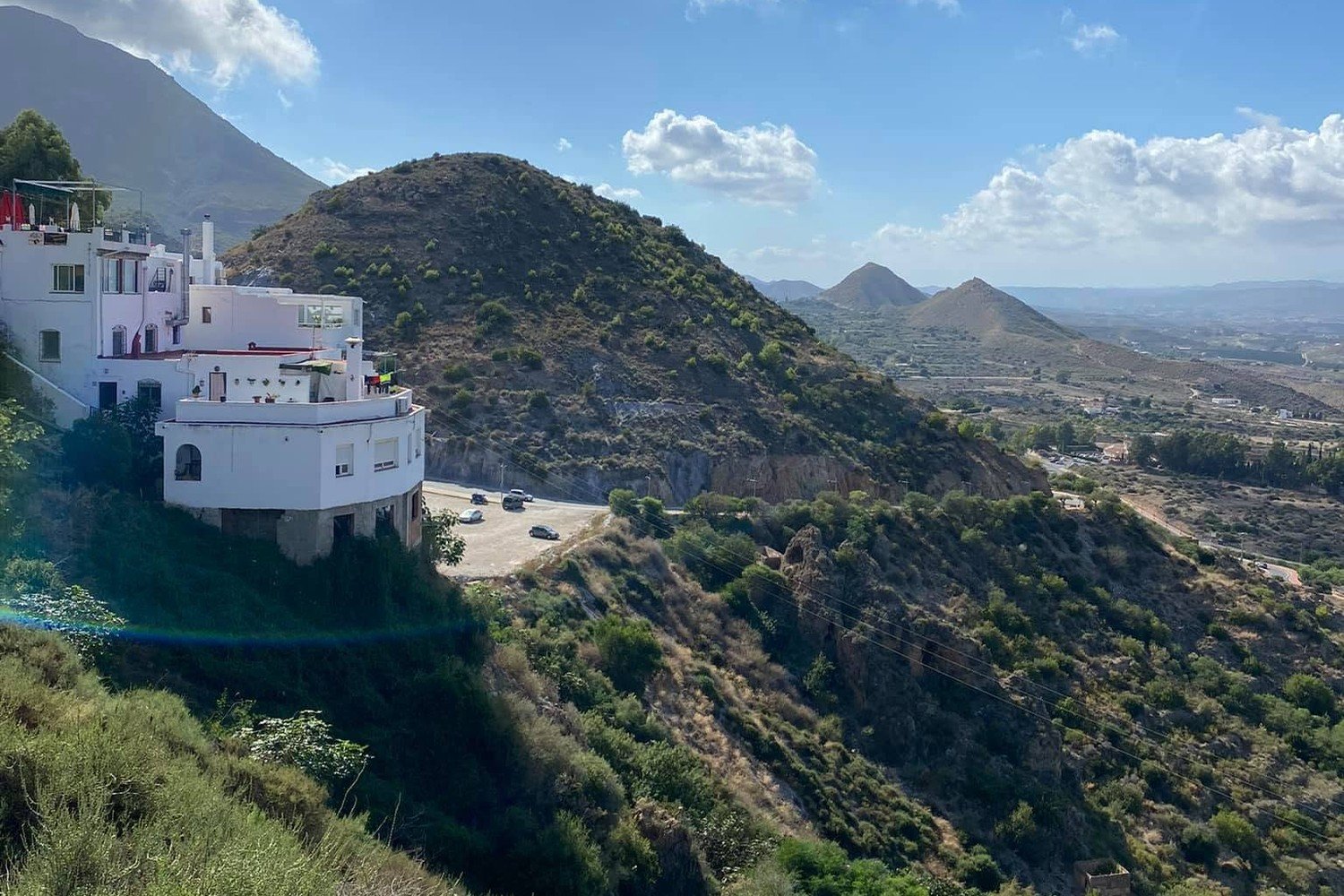
The Costa Almería is the most authentic and the most remote. Desert landscape, white villages, and outside the towns very little international infrastructure. For some people that is exactly the point; for others it is a problem in February.
The water: sea, lagoon and one honest caveat
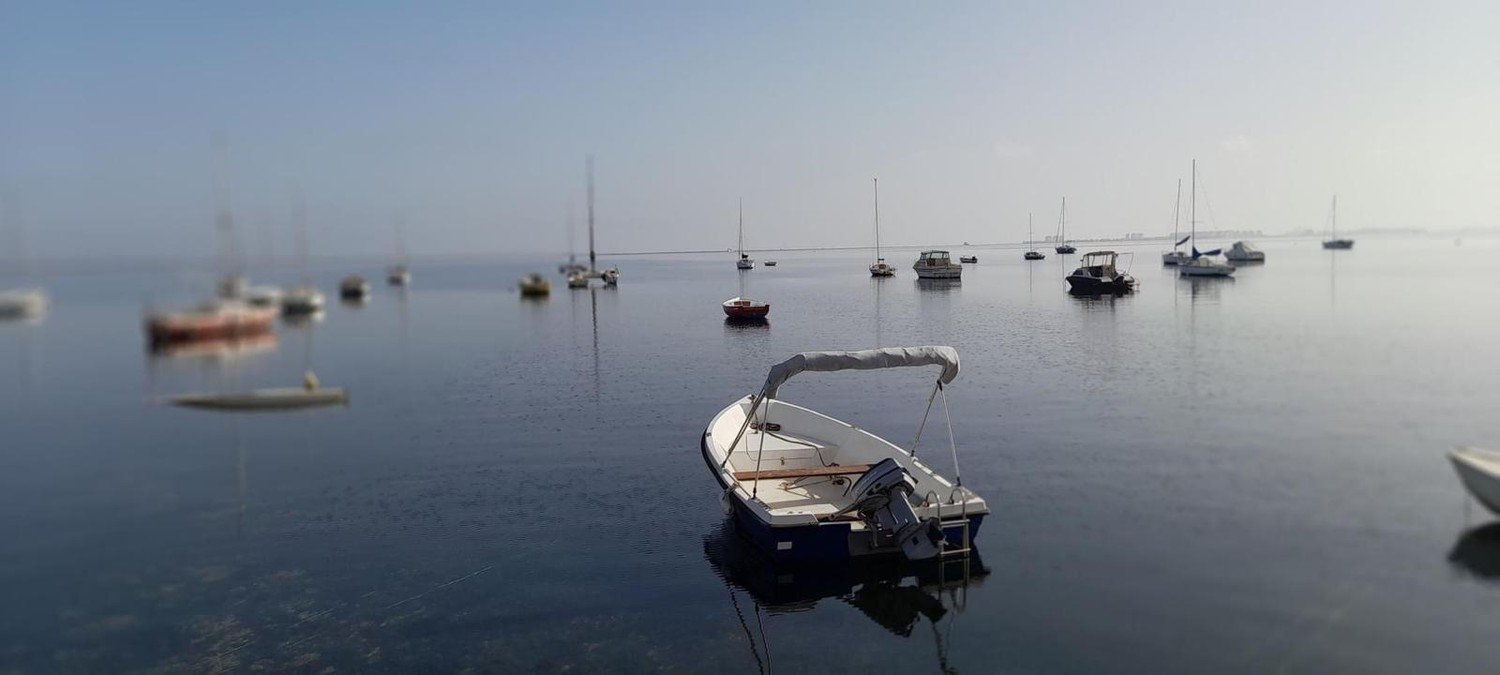
The Costa Blanca and the Costa Almería offer open Mediterranean. The Costa Cálida also has the Mar Menor, the largest saltwater lagoon in Europe: shallow, warm and without surf, which makes it exceptionally good for families with small children and for sailing. How the lagoon formed and why the microclimate differs is covered in the origins and microclimate of La Manga.
What most comparisons leave out: the Mar Menor has suffered serious water quality problems for years, caused by fertiliser run-off from the surrounding agriculture. A large recovery programme is under way and conditions vary by season and by part of the lagoon. It has not collapsed demand for property in the region, but it is something you deserve to know about before you buy — not afterwards.
We will tell you honestly where things stand at the moment you are looking. That is precisely what a buyer's agent is for.
The beaches on the seaward side are a separate matter; we describe those in the beaches of the Mar Menor and La Manga.
Letting: is it allowed everywhere?
If you want to let the property while you are not using it, the choice of region matters more than most buyers realise. Tourist letting is a regional competence: each autonomous region has its own registration requirement, and on top of that the municipality and the owners' association can impose further restrictions. Two identical apartments in two regions can have a completely different letting status.
Always have this checked before signing. What else is involved is covered in VAT on tourist letting, the compulsory guest registration through SES Hospedajes and investing in a holiday home.
Which coast suits whom?
| What matters most to you… | Costa Blanca | Costa Cálida | Costa Almería |
|---|---|---|---|
| Lowest tax | — | Decent | Best |
| Easiest to reach | Best | Decent | — |
| Most property for your budget | — | Decent | Best |
| Amenities and healthcare nearby | Best | Decent | — |
| Letting potential | Best | Decent | — |
| Quiet and Spanish in character | — | Best | Best |
| Established expat community | Best | Decent | — |
| Watersports with children | Decent | Best | Decent |
Our conclusion
There is no best coast, but there is a wrong way to choose: picking a region on atmosphere alone, and only discovering at the notary what it means financially and practically.
If you want maximum amenities, letting potential and the simplest journey, the Costa Blanca is the logical choice and you pay a tax premium for it. If you are after a balance of space, quiet and accessibility, the Costa Cálida is the middle ground, with the Mar Menor as its own particular asset. If what counts is how much house your budget buys and the distance does not bother you, the Costa Almería deserves a serious look.
If you do not yet know which coast fits you, start with the questionnaire — after that we will work out together which region and which type of property match your plans. How the purchase itself unfolds is set out in from offer to keys and what only becomes clear after the notary.
Frequently asked questions
What is the difference between the Costa Blanca, the Costa Cálida and the Costa Almería?
Which region has the lowest transfer tax?
Where do you get the most property for €250,000?
Can you let a property to tourists in all three regions?
Which region is easiest to reach from the UK and Ireland?
Not sure which coast is right for you?
We guide buyers across all three regions and have no properties of our own to sell. That means we can also advise you not to buy — and we do.